Last updated: March 2026
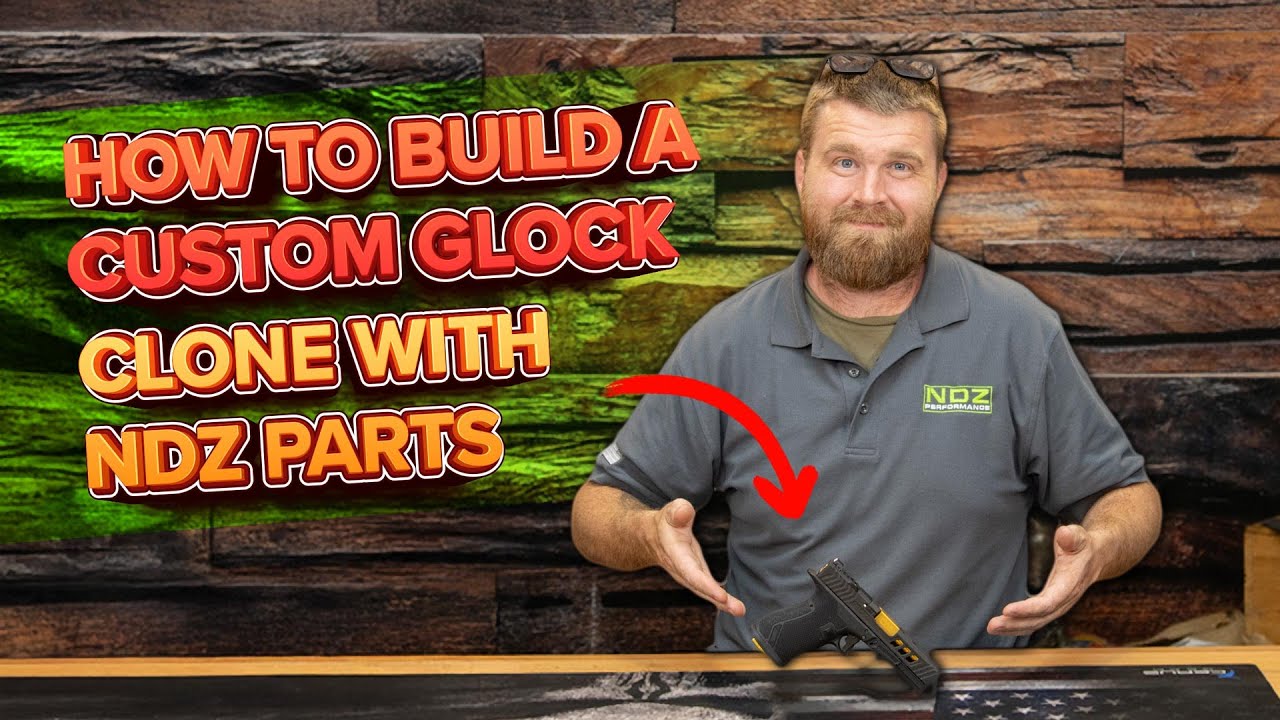
How to build a Glock clone: Start with the right parts. Do it right. Don’t cut corners.
Building beats buying. You know every part. You know it works. Factory guns? You get what they give you. Building your own means you pick what matters.
The National Shooting Sports Foundation tracks the numbers. More people build now than ever. Smart move.
What Tools Do You Need Before Building a Glock Clone?
Essential tools for a Glock clone build include: a punch set (1/16″, 3/32″, 1/8″), armorer’s block or padded bench vise, needle-nose pliers, non-marring hammer, and a function-check block. Optional but helpful: a locking block pin punch, slave pin for the trigger housing, and a parts tray. All tools are available in standard armorer’s kits for under $60.
Basic tools. Nothing fancy:
- Punches
- Small hammer
- Needle-nose pliers
- Glock tool set
The Bureau of Alcohol, Tobacco, Firearms and Explosives makes the rules. Follow them. Period.
Work clean. Good light. Flat surface. Light-colored mat so you see dropped parts. Keep small parts in a tray. Work slow. Rush equals mistakes.
Need help with basics? Check this firearm customization guide. Covers workspace setup.
How Do You Choose the Right Frame for a Glock Clone Build?
Select a Glock-compatible stripped frame that matches your intended caliber and slide profile. Polymer80 and Lone Wolf frames are the most widely supported options with the widest aftermarket ecosystem. Verify that the frame is rated for your caliber — 9mm frames are the most common and offer the widest parts selection. Check your state laws before purchasing, as some jurisdictions restrict or ban 80% and stripped frames.
Frame is everything. Cheap frame? Cheap gun. Get quality polymer. Check the texture. Check the angle. Make sure it fits your hand.
Match your parts to your frame. Gen 4 parts don’t fit Gen 3 frames. Gen 5 parts won’t work in Gen 1 builds. Read the specs. Twice.
Building on a newer Glock pattern? Read the Glock V Series explainer first — the trigger housing, firing pin assembly and recoil spring all changed.
How Do You Install the Trigger Group in a Glock Clone Frame?
Insert the trigger mechanism housing into the frame from the rear, ensuring the locking tabs seat fully. Drop in the trigger bar and connector assembly, aligning the trigger bar with the housing shelf. Insert the trigger pin from left to right through the frame to lock the housing in place. Verify that the trigger moves freely and resets fully before continuing to the next assembly step.
Triggers matter. Factory triggers work. Better triggers work better.
The NDZ Adjustable Trigger Control Housing lets you tune travel. Less travel means faster follow-up shots. More control.
The NDZ Trigger for Gen 1-4 gives you consistency. Same pull every time. That’s what accuracy takes.
Line everything up first. Use your Glock tool. Pin goes in smooth when parts align right. Fight the pin? You did something wrong.
Step-by-step photos help. This trigger housing installation guide shows you how.
How Do You Install the Locking Block and Slide Release on a Glock Clone?
Press the locking block into the frame channel until it seats flush — it should click in without forcing. Insert the front frame pin through the frame and locking block to lock it in place. Slide the slide stop lever onto its pin from the left side of the frame, with the lever’s spring tension pointing downward. Verify the slide stop moves freely up and down before proceeding to slide assembly.
Locking block: forks face forward. Not backward. Not sideways. Forward.
Slide release has a spring. U-shaped. Fits in the locking block pin groove. Hear it click? Good. Don’t hear it? Fix it now.
Use a pick to seat the spring. Check it twice. Bad spring placement kills reliability.
How Do You Assemble the Slide on a Glock Clone?
Begin with the bare slide. Drop the barrel into the slide from the rear, seating the chamber end into the barrel seat. Install the recoil spring assembly by compressing it slightly and seating the front guide nose into the barrel lug. Confirm both components move freely with the barrel tilting down when the slide is pushed forward — this is the locked-breech action functioning correctly.
Slide holds the important parts. Firing pin. Extractor. Barrel.
The NDZ T.R.O.I. Slide has front and rear serrations. Window cuts. Easier to grab. Less weight. Still strong.
Check for a channel liner. Small plastic part. Guides the firing pin. No liner? Install one. This guide explains why it matters.
Work over a clean surface. Small parts disappear fast. Cost money to replace.
How Do You Install the Firing Pin Assembly in a Glock Clone Slide?
Insert the firing pin channel liner into the slide from the rear if not pre-installed. Drop the firing pin into the channel with the lug facing up. Place the firing pin spacer sleeve over the rear of the pin. Depress the firing pin safety plunger while sliding the cover plate on to capture all components. The cover plate should snap into the slide’s retention groove without binding.
Firing pin goes in the sleeve. Tip toward the closed end. Clicks when right.
Spring cups go on both sides. Even pressure. Uneven cups cause problems. Inconsistent ignition. Binding.
Test the movement. Should move free. Binds? Fix the cups.
How Do You Install the Extractor and Plunger on a Glock Clone Slide?
Insert the extractor depressor plunger spring into its channel on the right side of the slide. Press the loaded chamber indicator plunger down against the spring, then slide the extractor into its cutout from the top, hooking it over the plunger. The extractor should spring outward with tension — if it sits flat without spring pressure, the plunger is not properly seated under the extractor lip.
Extractor pulls empty cases out. Spring and plunger go in first. Spring sits on the plunger end.
Hook end faces the chamber. Other end connects to the plunger. No connection? No extraction.
Test it. Should pivot smooth. Spring pressure pushes it back. Sticky? Clean it.
What Should You Know About Barrel and Guide Rod Fitment on a Glock Clone?
Match-grade barrels from Lone Wolf, Faxon, or Zaffiri Precision offer tighter chamber tolerances than standard OEM-spec barrels and can improve accuracy. Verify barrel ramp geometry matches your frame’s feed ramp angle — mismatched angles cause failure-to-feed malfunctions. Guide rod material (polymer vs. stainless) affects felt recoil; stainless adds weight forward, reducing muzzle flip slightly without altering cycling reliability.
Barrel affects accuracy most. The NDZ Glock 19 Barrel has match-grade rifling. Polished feed ramp. Better accuracy. Better feeding.
Install at 45 degrees. Rotate into place. Forcing it means something’s wrong.
Factory guide rods are plastic. The NDZ 13LB Guide Rod is stainless steel. Lasts longer. Works better.
Want to know about guide rods? Read about recoil spring upgrades.
What Is the Final Assembly Process for a Glock Clone Build?
With both the frame and slide fully assembled, join them by aligning the slide rails with the frame rails and pressing the slide rearward. The slide should rack smoothly with consistent resistance. Perform a full function check: trigger pull, reset, drop safety test, and trigger safety test — all unloaded. If all checks pass, proceed to a controlled live-fire test at a range before trusting the build.
Put slide on frame. Should move smooth. Binding means problems. Fix them now.
Test the trigger. Test the reset. Test slide lock. Everything should work right.
Function check everything. ATF says test before you shoot. Smart advice.
What Do You Need to Know Legally Before Building a Glock Clone?
Federal law does not require an FFL license to build a firearm for personal use, but ATF regulations require serial number marking on privately made firearms (PMFs) if they are later transferred. State laws vary widely — California, New York, and several states restrict or ban home builds entirely. Research your specific state and local laws before purchasing parts. When in doubt, consult a licensed firearms attorney.
Building guns is legal. For personal use. Not for selling. The ATF regulates this stuff. Read the rules.
New ATF rules cover privately made firearms. Serial numbers required for FFLs. Know what applies to you.
State laws vary. Local laws too. Check yours. Don’t guess.
Keep records. Parts sources. Serial numbers when required. Helps with warranty issues. Helps with legal questions.
How Do You Maintain a Glock Clone After It Is Built?
Maintain a Glock clone the same way you would a factory Glock: clean the barrel after every range session, lubricate the four contact points (barrel hood, rails, connector, recoil spring), and inspect all pins for drift after high round counts. Custom-built guns benefit from a 500-round break-in period. Replace the recoil spring every 3,000–5,000 rounds as a standard maintenance interval.
Clean after shooting. Every time.
Check wear patterns. Unusual wear means problems. Fix problems early.
Keep notes. Track what works. Track what doesn’t.
Built your gun? Now learn to shoot it better. Check guides on shooting accuracy and shot grouping.
Where Can You Learn More About Building and Customizing Glock Clones?
The best resources for Glock clone building are the Glock armorer’s manual, the Polymer80 assembly manual for frame-specific guidance, and forums like Glock Talk and r/Glocks for troubleshooting. YouTube channels from licensed armorers offer step-by-step video guides. For parts, accessories, and Glock customization guides, the NDZ Performance blog covers the full range of upgrade options in depth.
First build teaches basics. Each build teaches more.
Document your work. Photos help. Notes help. Helps you. Helps others.
New to upgrades? Start with beginner upgrades. The NSSF tracks growing interest in gun customization.
What Are the Next-Level Upgrades After You Finish Your Glock Clone Build?
After completing a functional base build, common next-level upgrades include: an optics-ready slide, match-grade barrel with supported chamber, Zev Technologies or Agency Arms trigger group, extended controls (mag release, slide stop), and a full Cerakote or QPQ Black Nitride finish. Each upgrade is independent — add them in priority order based on your intended use case and budget.
Basic build done? Try advanced mods. Better triggers. Custom slides. Match barrels.
Research compatibility first. Not all parts work together. Some need fitting.
Read about aftermarket vs factory parts. Learn the differences.
Want maximum performance? Follow this handgun upgrade guide.
What Is the Bottom Line on Building Your Own Glock Clone?
Building a Glock clone gives you complete control over every component, teaches you how the pistol functions mechanically, and results in a custom firearm tailored to your hand and shooting style. Total parts cost typically runs $400–$700 for a quality build — comparable to or less than a factory Glock depending on parts selection. Follow the law, test thoroughly, and the result is a reliable, personalized pistol.
Building works. Takes patience. Takes the right parts. Don’t rush.
Safety first. Function second. Everything else comes after.
Good parts make good guns. The NDZ Performance line covers what you need. Check out their best accessories guide for more options.
Build it right. Build it once.
Perform a complete function check before considering your build complete. This includes testing the trigger, slide operation, and all safety mechanisms. ATF emphasizes that proper function testing is crucial for safe firearm operation.
What Are the Full Legal Considerations for Building a Glock Clone at Home?
Federal law permits personal firearm manufacture without an FFL, but ATF’s 2022 frame-and-receiver rule extended serialization requirements to PMFs upon transfer. State restrictions range from registration requirements to outright bans on unserialized builds. Some municipalities have additional ordinances. Always verify current ATF guidance, your state statutes, and local ordinances before purchasing any 80% or stripped frame components.
Building firearms requires understanding and following all applicable federal, state, and local laws. The Bureau of Alcohol, Tobacco, Firearms and Explosives regulates lawful commerce in firearms and provides guidance on legal requirements for firearm assembly. No federal license is required to make a firearm solely for personal use, but licenses are required to manufacture firearms for sale or distribution.
Recent ATF regulations have clarified requirements for privately made firearms (PMFs). Federal firearm licensees must mark PMFs with a unique serial number within seven days or prior to disposition, whichever is sooner. These regulations help ensure proper traceability of firearms while allowing legal personal manufacture.
Research your local laws before beginning any build project. Some jurisdictions have specific requirements or restrictions on firearm assembly. When in doubt, consult with local law enforcement or legal professionals familiar with firearms law.
Keep detailed records of your build, including part sources and serial numbers where applicable. This documentation proves valuable for warranty claims, future modifications, or legal compliance verification.
What Are the Best Maintenance Practices for a Home-Built Glock Clone?
Inspect all pins for migration after every 500 rounds on a new build — custom frames may have slightly different tolerances than factory guns and pins can drift before full seating. Clean the barrel, lubricate the slide rails and trigger mechanism, and function-check after every cleaning. Use only Glock-compatible lubricants and avoid over-lubrication, which attracts debris in carry guns.
Regular maintenance keeps your Glock clone functioning reliably. Clean your pistol after each shooting session, paying special attention to the barrel, slide rails, and trigger mechanism. Use appropriate solvents and lubricants designed for firearms.
Inspect wear patterns on moving parts during cleaning. Unusual wear may indicate improper assembly or component issues that need attention. Address problems early to prevent more serious issues from developing.
Document your maintenance schedule and any issues encountered. This record helps track component performance and identifies potential problems before they affect reliability. For tips on improving your shooting accuracy with your completed build, check our guides on improving shooting accuracy and improving shot grouping.
How Do You Build the Knowledge and Confidence to Complete a Glock Clone Build?
Start by assembling and disassembling a factory Glock multiple times before attempting a build — familiarity with each part’s function is essential. The Glock armorer’s manual provides the authoritative parts interaction reference. Resources from Brownells, Polymer80, and licensed Glock armorers provide step-by-step guidance. Budget time for troubleshooting; even experienced builders encounter fitment issues that require minor adjustment.
Learning how to build a Glock clone provides valuable experience and confidence for future projects. The skills you develop during this build apply to other firearm platforms and modifications. Many builders find the process both educational and rewarding.
Consider documenting your build process with photos and notes. This record helps when performing maintenance or assists others interested in similar builds. Sharing knowledge strengthens the building community and helps preserve valuable techniques.
If you’re new to firearm upgrades, start with our beginner firearm upgrades guide to understand the fundamentals before tackling a complete build. The NSSF reports show growing interest in firearm customization among shooting sports participants.
What Advanced Customization Options Are Available for Glock Clone Builds?
Advanced customization includes: custom stippling or grip texture on the frame, ported or threaded barrels, optics-cut slides with plate systems, reduced-travel trigger groups, magwell inserts for faster reloads, and full Cerakote or DuraCoat finishes. For competition, consider a frame-mounted thumb rest, extended magazine release, and a trigger with adjustable over-travel. All options work on both factory and clone Glock frames.
Once you’ve mastered basic Glock clone assembly, consider advanced customization options. Enhanced triggers, custom slides, and specialized barrels can further improve performance and appearance. Each upgrade teaches new skills and deepens your understanding of firearm mechanics.
Research compatibility before purchasing upgraded components. Not all aftermarket parts work together, and some combinations may require additional modifications or fitting. Start with basic upgrades and gradually work toward more complex modifications.
For comprehensive information about choosing the right aftermarket components, explore our guide on aftermarket firearm parts and the benefits of custom versus factory components. Additionally, our handgun upgrade guide provides five essential steps for maximum performance improvements.
Frequently Asked Questions
Is it legal to build a Glock clone at home?
Federal law allows individuals to manufacture firearms for personal use without a license, provided the builder is not prohibited from possessing firearms. However, state and local laws vary significantly. Some states like California require serial numbers and registration for home-built firearms. Always research your specific state and local regulations before starting a build.
What parts do I need to build a Glock clone?
A complete Glock clone build requires a frame or lower receiver, a complete slide assembly with barrel, a lower parts kit including the trigger mechanism, a recoil spring assembly and guide rod, sights, and magazines. You can purchase these components separately or in build kits. NDZ Performance offers guide rods, magazine plates, and finishing accessories for Glock-compatible builds.
How much does it cost to build a Glock clone compared to buying one?
A basic Glock clone build typically costs between 400 and 600 dollars for quality components, compared to 500 to 650 dollars for a factory Glock. The advantage of building is selecting exactly the parts you want from the start, avoiding the cost of replacing factory parts later. Premium builds with match barrels and custom slides can exceed 800 dollars.
What is the hardest part of assembling a Glock clone?
Most builders find installing the rear rail module and trigger housing pin to be the most challenging steps, as these require precise alignment and firm pressure. Using proper punch tools and following a detailed walkthrough video eliminates most difficulty. The complete assembly typically takes 30 to 60 minutes for a first-time builder working carefully.
What Is the Final Verdict on Building a Glock Clone?
A Glock clone build is one of the most accessible and rewarding pistol projects for the home gunsmith. With quality components, careful assembly, and proper function testing, the result is a reliable firearm tailored to your exact preferences. Follow federal and state law, use proven parts from established manufacturers, and test thoroughly before any defensive or competition use.
Building a Glock clone offers an excellent introduction to firearm customization while providing a reliable, personalized pistol. With quality components, proper tools, and careful attention to detail, you can create a firearm that serves you well for years to come.
Remember that building firearms requires patience, attention to detail, and respect for safety. Take your time, double-check your work, and don’t hesitate to seek help from experienced builders when needed. Your first Glock clone build is the beginning of a rewarding journey into firearm customization.
For more information about NDZ Performance accessories and upgrades, visit our comprehensive overview of NDZ Performance firearm accessories and upgrades. To learn about the best firearm accessories for your next project, explore our guide on the best firearm accessories.
How Does Building a Glock Clone Compare to Buying Factory?
| Feature | Glock Clone Build | Factory Glock |
|---|---|---|
| Total Cost | $400–$700 depending on parts | $500–$650 MSRP |
| Customization | Full control over every component | Limited to factory configuration |
| Build Time | 2–4 hours for first-time builders | Ready out of the box |
| Warranty | Individual part warranties only | Full manufacturer warranty |
| Learning Value | Deep understanding of firearm mechanics | Minimal hands-on knowledge gained |
| Parts Quality Control | Hand-selected components to your spec | Factory QC standards |
You need a bench block, punch set (3/32 and 1/8 inch roll pin punches), needle-nose pliers, a Glock armorer’s tool or front sight tool, and optionally a trigger jig for consistent pull. A vise with polymer jaw inserts is helpful but not required.
Federal law allows individuals to build firearms for personal use in most states, but laws vary significantly by state and local jurisdiction. You are responsible for complying with all applicable local, state, and federal laws before beginning any home build project.
Barrel, recoil spring assembly, and trigger components are the most critical quality purchases in a Glock clone build. A quality barrel ensures accuracy and safe pressure containment. Reliable recoil spring and trigger components ensure consistent function under all conditions.