Last updated: March 2026
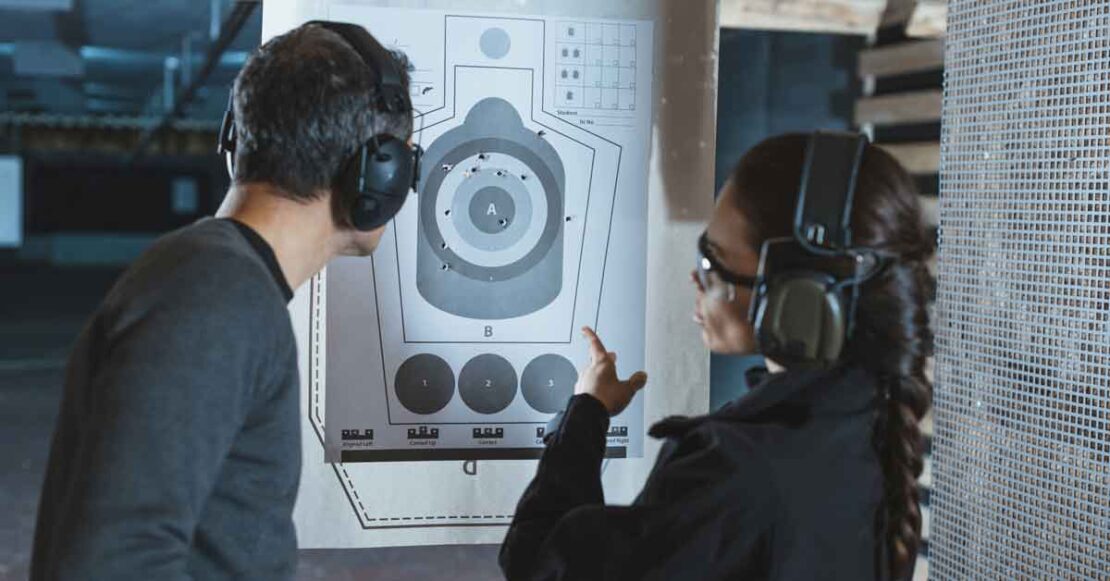
If you shoot regularly, you know the frustration of watching rounds scatter across a target when you expected a tight cluster. We hear it from customers all the time: “Why can’t I group my shots?” The answer usually comes down to a handful of fixable problems. With focused practice and the right gear, tighter shot groupings are absolutely achievable.
This guide breaks down the most common causes of poor shot grouping, gives you practical fixes for each one, and covers NDZ Performance accessories that our customers use to tighten their patterns at the range.
What Causes Poor Shot Grouping?
How Does Inconsistent Trigger Control Affect Shot Grouping?
Inconsistent trigger control is the most common cause of scattered shot groups. Lateral pressure during the trigger press shifts your point of impact left or right, while jerking the trigger pulls shots low. Developing a smooth, straight-back trigger press through dry fire practice eliminates the largest variable in most shooters’ accuracy equation.
Jerking or slapping the trigger is one of the fastest ways to blow your shot grouping. That extra movement pushes your muzzle off target right as the round fires, and the result shows up clearly on paper.
Solution: Slow down your trigger pull and focus on a smooth, straight-back press. Dry fire practice is one of the best ways to build that muscle memory without burning ammo. If your factory trigger feels gritty or heavy, an upgraded trigger can make a real difference in consistency.
NDZ Performance Trigger Upgrade for Sig Sauer: We’ve seen customers clean up their groups significantly after swapping to a smoother aftermarket trigger. Less creep means less opportunity for the muzzle to wander.
How Does Grip Affect Your Shot Grouping?
Poor grip causes the pistol to shift between shots, producing horizontal and vertical stringing on target. A firm, high-thumbs grip with 60% pressure from the support hand and 40% from the strong hand controls muzzle flip and keeps the sights aligned through recoil. Consistent hand placement is the foundation of repeatable accuracy.
A loose grip lets the gun shift between shots, while a death grip creates tension that works against you. Either way, your point of impact moves around.
Solution: Find a firm, consistent grip pressure and stick with it. Your support hand should apply most of the forward pressure, with your strong hand handling trigger control. Regular practice locks this in. If your factory grip doesn’t fit your hand well, aftermarket grip options can help.
Aftermarket Firearm Parts: The Debate of Custom vs Factory: Custom grips from NDZ Performance give you a better fit and more control over your firearm, which translates directly to tighter groups.
What Happens When Your Sight Alignment Is Off?
Improper sight alignment shifts your entire group away from point of aim. Even a slight misalignment of front and rear sights produces significant error at distance because the angular offset multiplies with range. Focus on equal light on both sides of the front sight and level across the top to center your groups consistently.
You can have perfect trigger control and grip, but if your sights aren’t lined up correctly, your shots will land off target. Misaligned sights are a surprisingly common issue, especially with factory iron sights that can be hard to pick up quickly.
Solution: Practice acquiring a consistent sight picture: front sight centered in the rear notch, level across the top. If your factory sights are hard to see or slow to pick up, high-visibility aftermarket sights make a noticeable difference.
NDZ Glock Gen 5 Rear Sight Slide Cover Plate: Our customers report faster target acquisition and more consistent alignment with upgraded sight components.
Why Does Flinching Ruin Your Shot Groups?
Flinching causes your body to push the muzzle down and left just before the shot breaks for right-handed shooters. This anticipatory response produces low-left groups often mistaken for sight alignment issues. Mixing snap caps into live magazines during practice reveals the flinch and helps you train it out through repetition and focused dry fire work.
Flinching happens when your body braces for recoil before the shot breaks. You’ll typically see shots landing low and left (for right-handed shooters) because the muzzle dips as you tense up.
Solution: Dry fire drills are the single best cure for flinching. When there’s no bang and no recoil, you can see exactly what your hands do at the moment of trigger break. Mix snap caps randomly into your loaded magazines at the range to catch yourself flinching in real time.
NDZ Custom Holsters: A well-fitted holster supports a smooth, repeatable draw stroke, which helps you start each shot sequence from a consistent position.
How Does Stance Affect Shot Group Consistency?
An unstable or inconsistent stance introduces variables into every shot you fire. A proper athletic stance with slight forward lean, shoulder-width feet, and knees slightly bent absorbs recoil predictably and lets you return to the same sight picture between shots. Inconsistent stance is the hidden cause of groups that shift position from session to session.
An unstable stance means your body absorbs recoil inconsistently, and your groups open up as a result.
Solution: Plant your feet shoulder-width apart, bend your knees slightly, and lean forward into the gun. Whether you prefer an isosceles or Weaver stance, the key is consistency. We’ve found that shooters who drill their stance see group sizes shrink even without any gear changes.
When Do You Need to Adjust for Holdover?
Holdover adjustment becomes necessary when shooting at distances beyond your zero range where bullet drop causes impacts below your point of aim. Understanding your specific ammunition’s ballistic trajectory at common distances prevents the vertical stringing that many shooters blame on technique. Zero at a practical distance and learn your drop chart.
If you’re shooting at different distances without adjusting your point of aim, bullet drop will spread your groups vertically. This is especially noticeable past 15 yards with a handgun.
Solution: Learn where your particular gun and ammo combination hits at 7, 15, and 25 yards. Record your holdover adjustments and practice at each distance regularly.
Can Poor Firearm Maintenance Cause Inaccuracy?
A dirty or poorly maintained firearm absolutely affects accuracy. Carbon buildup in the barrel changes the bullet’s path, worn recoil springs alter cycling dynamics, and corroded feed ramps cause inconsistent chambering. Regular cleaning after every range session and periodic parts inspection keeps mechanical variables from degrading your groups over time.
Carbon buildup in the barrel, a worn recoil spring, or gritty action components all hurt accuracy. We’ve seen customers bring in guns that haven’t been cleaned in thousands of rounds, wondering why their groups opened up.
Solution: Clean your firearm after every range session and inspect wear parts regularly. Replace recoil springs, guide rods, and other components on the manufacturer’s recommended schedule. NDZ Performance stainless steel guide rods are a popular upgrade that our customers use to improve reliability and consistent cycling.
Does Ammunition Choice Affect Shot Grouping?
Ammunition choice significantly impacts group size. Different bullet weights, powder charges, and projectile designs produce varying points of impact from the same firearm. Match-grade ammunition with consistent velocity and tight quality control produces noticeably tighter groups than bulk practice ammo. Test multiple brands to find what your specific barrel shoots best.
Cheap bulk ammo and premium match ammo will shoot very differently in the same gun. If you’re troubleshooting accuracy problems, ammunition is worth testing before you change anything else.
Solution: Try two or three different brands and bullet weights to find what your gun prefers. Once you find a load that groups well, stick with it for practice and competition. Keep your bulk ammo for drills where precision isn’t the focus.
Maximizing Firearm Efficiency with Magazine Extensions: Pairing the right ammunition with a reliable magazine setup removes one more variable from your accuracy equation.
What Accessories Help Improve Shot Grouping?
A stainless steel guide rod reduces felt recoil and improves muzzle flip recovery between shots. Upgraded sights with fiber optic or tritium inserts provide faster, more precise sight pictures. A quality trigger with reduced creep and a clean break eliminates mechanical inconsistency. NDZ Performance offers drop-in versions of all three for Glock, Sig, and Ruger platforms.
The right upgrades can eliminate equipment-related accuracy problems and let your skills show on target. Here are the NDZ Performance accessories our customers rely on most:
- Glock Sights: Sharper sight picture for faster, more precise alignment.
- NDZ Performance Trigger Upgrades: Smoother trigger pull with less creep for more consistent shot breaks.
- NDZ Magazine Extensions: More rounds on tap and improved grip purchase on compact frames.
- NDZ Customizable Grips: Better hand-to-gun fit means better control and tighter groups.
FAQs
Q: What is considered a good shot grouping?
A: That depends on distance and skill level. For newer shooters, a 4-6 inch group at 10 yards is solid. Experienced shooters typically work toward sub-3 inch groups at that same distance, and competition shooters push that even tighter.
Q: How long will it take to see shot grouping improvement?
A: Most shooters who practice with purpose, even just twice a month, notice measurable improvement within a few weeks. Dry fire practice between range sessions speeds this up considerably.
Q: Do firearm upgrades really make a difference?
A: They do, but they work best when your fundamentals are solid. A better trigger won’t fix a flinch, but it will let a skilled shooter squeeze out tighter groups. We recommend focusing on technique first, then upgrading the components that matter most for your shooting goals.
Conclusion
Tighter shot groups come from fixing the basics: trigger control, grip, sight alignment, and consistent practice. Once your technique is dialed in, the right upgrades from NDZ Performance can help you push your accuracy further. We build our accessories specifically for shooters who want measurable improvement at the range, and our customers consistently tell us the difference shows on target.
A 3-inch group at 7 yards from a two-hand grip is acceptable for defensive work. Competition shooters aim for 1.5 inches or less. If your groups are larger, first evaluate technique before upgrading equipment—poor fundamentals can’t be fixed with hardware.
Follow-through—maintaining your grip and sight picture after the trigger breaks—prevents anticipation flinch from disrupting the muzzle before the bullet clears the barrel. Most group problems disappear when shooters learn to call their shots by noting where the sights were at the moment of trigger break.
Match-grade barrels with tighter chamber tolerances and consistent rifling improve inherent mechanical accuracy. However, most factory pistols already outshoot the average shooter’s ability. Barrel upgrades are most beneficial in benchrest testing or at distances beyond 25 yards.