Last updated: March 2026

Pistol optics installation can dramatically transform your shooting experience by providing faster target acquisition and enhanced accuracy. Whether you’re mounting a red dot sight for competition, duty use, or concealed carry, proper pistol optics installation ensures reliable performance and maintains zero under recoil. In this comprehensive guide, we’ll walk you through every step of the pistol optics installation process, from selecting the right optic to achieving perfect zero.
Modern pistol optics installation has become increasingly popular as manufacturers like Glock, Sig Sauer, and Smith & Wesson now offer optic-ready pistols straight from the factory. This trend reflects the proven advantages of red dot sights, including faster target transitions and improved accuracy at various distances.
Table of Contents
- Types of Pistol Optics for Installation
- Essential Tools for Pistol Optics Installation
- Step-by-Step Pistol Optics Installation Process
- Zeroing Your Newly Installed Pistol Optics
- Choosing the Right Optic for Your Needs
- Common Pistol Optics Installation Mistakes
- Maintenance and Troubleshooting
What Types of Pistol Optics Can You Install on a Handgun?
The three main pistol optic types are: micro red dot sights (RDS) like the Trijicon RMR and Holosun 507C, open reflex sights like the Leupold DeltaPoint Pro, and mini prismatic scopes for longer-range precision. Red dots are the most common choice for carry and competition due to small size, fast target acquisition, and wide compatibility with optics-ready slides. Confirm your slide cut pattern before purchasing.
Before beginning your pistol optics installation, it’s crucial to understand the different types available and their specific installation requirements.
Open Reflex Optics Installation
Open reflex sights represent the most common type of pistol optics installation. These lightweight, compact red dot sights feature an exposed emitter that projects the reticle onto a lens. The installation process for open reflex optics typically involves mounting directly to the slide’s optic cut.
Popular models for installation include:
- Trijicon RMR series – Industry standard with proven durability
- Holosun 407C/507C – Feature-rich options with multiple reticles
- Sig Sauer Romeo Zero – Ultra-compact profile for concealed carry
For detailed insights on the latest Holosun technology, check out our comprehensive review of the Holosun 507COMP red dot sight.
Enclosed Reflex Optics Installation
Enclosed reflex optics like the Aimpoint Acro P-2 require more robust mounting solutions due to their increased size and weight. The installation process must account for the additional stress these optics place on mounting screws and the slide itself.
Multi-Reticle System Installation
Advanced optics featuring multiple reticle options require careful installation to ensure all reticle options remain properly aligned. The Holosun 507C series exemplifies this technology, offering circle-dot combinations that enhance target acquisition speed.
What Tools Are Essential for Installing a Pistol Optic?
Required tools: the correct mounting plate for your slide cut pattern (RMR, DeltaPoint, Vortex Venom, etc.), manufacturer-specified mounting screws, blue Loctite 243 thread locker, a calibrated torque wrench with T10 and T15 Torx bits, and isopropyl alcohol for surface prep. A bench vise with soft jaws holds the slide securely during torquing. Allow 24 hours for Loctite to cure before live fire.
Successful pistol optics installation requires specific tools to ensure proper mounting and prevent damage to your firearm. Professional installation tools guarantee that your optic will maintain zero and withstand recoil forces.
Required Tools for Installation
- Torque Driver Set: Essential for achieving manufacturer-specified torque values during installation
- Torx Driver Set: Most pistol optics installation requires T8, T9, or T10 Torx drivers
- Blue Loctite (Medium Strength): Prevents screw loosening during recoil without permanent bonding
- Cleaning Supplies: Isopropyl alcohol and lint-free cloths for preparation
- Gun Vise: Secures pistol during installation process
Before starting installation, consider whether your firearm might benefit from other essential handgun upgrades to maximize overall performance.
Optional Installation Tools
- Digital Calipers: For precise screw length measurement
- Magnifying Glass: Assists with small part inspection
- Anti-Seize Compound: For specific mounting systems
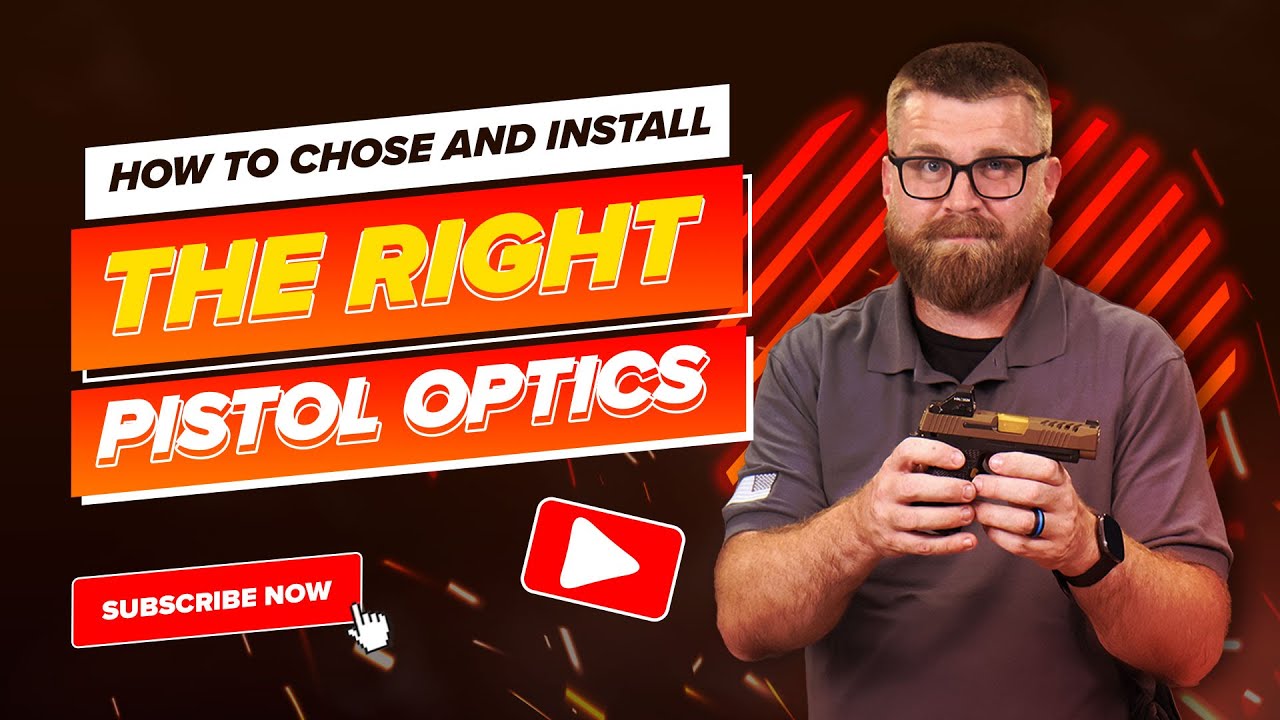
What Is the Step-by-Step Process for Installing a Pistol Optic?
Clean the mounting surface with isopropyl alcohol and let dry. Seat the adapter plate on the slide, apply Loctite to plate screws, torque to spec (typically 12–15 in-lbs). Place the optic, apply Loctite to optic screws, torque to manufacturer spec (10–12 in-lbs for most micro red dots). Co-witness with iron sights. Allow 24-hour cure before live fire, then verify zero at 10–25 yards.
This detailed pistol optics installation process ensures proper mounting and reliable performance. Following these steps precisely prevents common installation errors that can compromise accuracy and safety.
Step 1: Safety Preparation for Installation
Critical Safety Protocol: Before beginning pistol optics installation, completely unload your firearm. Remove the magazine, lock the slide back, and perform both visual and physical chamber inspections. Maintain muzzle awareness throughout the entire installation process.
Workspace Setup: Establish a well-lit, clean workspace with adequate ventilation. Position your gun vise to provide stable support during installation.
Step 2: Slide Preparation for Optics Installation
Cleaning Protocol: Use isopropyl alcohol and lint-free cloths to thoroughly clean the optic mounting surface. Remove all oil, debris, and manufacturing residue that could interfere with proper seating.
Surface Inspection: Examine the mounting area for burrs, scratches, or imperfections. File down any high spots that might prevent flush mounting during installation.
Step 3: Dry Fitting and Alignment
Test Fit Procedure: Place the optic on the mounting surface without screws to verify proper alignment and flush seating. The optic should sit completely flat without rocking or gaps.
Screw Length Verification: Ensure mounting screws are the correct length for your specific pistol optics installation. Screws should engage fully without bottoming out.
Step 4: Threadlocker Application and Final Installation
Blue Loctite Application: Apply a small amount of blue Loctite to the first few threads of each mounting screw. This prevents loosening under recoil while allowing future removal.
Progressive Tightening: Thread screws by hand initially, then use your torque driver to achieve even tension. Follow manufacturer specifications, typically 12-18 inch-pounds for most pistol optics installation.
Final Torque: Apply final torque according to specifications provided by Vortex Optics and other manufacturers in their installation manuals.
Step 5: Function Testing After Installation
Mechanical Function Check: Operate the slide and trigger (unloaded) to ensure the newly installed optic doesn’t interfere with normal firearm function.
Holster Compatibility: If this pistol is used for concealed carry, verify that your holster accommodates the installed optic.
How Do You Zero a Pistol Red Dot Sight After Installation?
Start at 10 yards with a supported rest to establish a rough zero, then confirm at 15–25 yards for your intended use. Fire 3-shot groups and adjust windage and elevation turrets toward the desired point of impact — most micro red dots adjust 1 MOA per click. Once zeroed, fire 50–100 rounds to confirm the mount holds zero under recoil. Mark turret positions before applying any final sealant.
Proper zeroing completes the pistol optics installation process and ensures your investment delivers the intended accuracy improvements. The zeroing process requires patience and systematic adjustment to achieve optimal performance.

For those looking to maximize their range sessions during the zeroing process, our comprehensive guide on mastering shooting range training provides valuable tips for effective practice.
Zeroing Distance Selection
- 10-Yard Zero: Ideal for close-range applications and initial setup
- 15-Yard Zero: Balanced option for most pistol optics installation applications
- 25-Yard Zero: Preferred for precision shooting and longer-range work
Systematic Zeroing Process
- Stable Position: Establish a consistent shooting position using a rest or shooting bag
- Initial Group: Fire a 5-shot group aiming at the same point of impact
- Calculate Adjustments: Measure the difference between point of aim and point of impact
- Make Corrections: Adjust windage and elevation based on your measurements
- Confirm Zero: Fire additional groups to verify your adjustments
Shooters experiencing inconsistent groups should consult our detailed article on improving shot grouping accuracy for advanced techniques.
How Do You Choose the Right Red Dot Optic for Your Pistol?
Match the optic footprint to your slide’s cut pattern — common cuts include Trijicon RMR, Leupold DeltaPoint Pro, and Holosun 507C/508T. For carry use, prioritize battery life (Holosun’s solar backup is a notable feature) and a sealed housing. For competition, prioritize window size and dot clarity. Weight matters for carry guns — aim for under 1.5 oz for all-day comfort.
Selecting the appropriate optic for your pistol optics installation depends on your intended use, environmental conditions, and personal preferences. Different applications require specific optic characteristics to optimize performance.
Concealed Carry Pistol Optics Installation
Concealed carry applications prioritize low profile and minimal weight addition. The Holosun 407K and Trijicon RMRcc are specifically designed for compact pistol installation.
Those seeking comprehensive concealed carry guidance should explore our resources on essential home defense handgun features.
Competition Pistol Optics Installation
Competition shooters benefit from larger window optics like the Leupold DeltaPoint Pro or SIG Romeo1 Pro. These optics offer faster target acquisition and multiple reticle options.
Duty and Tactical Installation
Law enforcement and military applications demand maximum durability. The Aimpoint Acro P-2 and Trijicon RMR HD withstand harsh conditions and abuse.
What Are the Most Common Mistakes When Installing a Pistol Optic?
The most common installation mistakes: using too little torque (allows zero shift under recoil), skipping thread locker (screws back out after high round counts), installing on the wrong mounting plate (causes micro-movement), and firing before Loctite cures (ruins the thread locker bond). Also avoid over-torquing, which can strip aluminum optic housing threads. Always follow manufacturer torque specs exactly.
Understanding common pistol optics installation mistakes helps ensure your first installation attempt is successful. These errors can compromise accuracy, damage equipment, or create safety hazards.
Critical Installation Errors
- Over-Tightening Screws: Excessive torque can strip threads or crack the optic housing
- Using Red Loctite: Permanent threadlocker makes future removal extremely difficult
- Inadequate Cleaning: Debris between mounting surfaces prevents proper seating
- Incorrect Screw Length: Wrong screws can damage threads or fail to secure properly
- Skipping Break-In Period: Install verification requires 200-300 rounds minimum
Installation Quality Verification
After completing pistol optics installation, verify screw tightness periodically during the first several hundred rounds. Movement or zero shift indicates installation problems requiring immediate attention.
How Do You Maintain and Troubleshoot an Installed Pistol Optic?
After each range session, wipe the lens and check screw tightness by hand. Monthly, verify zero and re-torque mounting screws — recoil gradually backs out even Loctite-secured hardware. If zero shifts consistently, re-torque to spec, ensure 24-hour cure time, and confirm the mounting plate is the correct footprint for your slide cut. Persistent zero shift indicates stripped threads or an incompatible plate.
Proper maintenance ensures your pistol optics installation continues delivering reliable performance. Regular care extends optic life and maintains accuracy over thousands of rounds.
Routine Maintenance Schedule
- After Every Range Session: Clean lens and check for loose screws
- Monthly: Verify zero and inspect mounting hardware
- Quarterly: Deep clean and lubricate adjustment mechanisms
- Annually: Professional inspection and re-torque if necessary
Understanding the relationship between aftermarket versus factory parts helps make informed maintenance decisions for your installation.
Troubleshooting Common Issues
If you experience zero shift after installation, first check screw tightness. Environmental factors, recoil, and normal wear can affect even properly installed optics over time.
What Other Upgrades Should You Add When Installing a Pistol Optic?
When adding an optic, also upgrade to suppressor-height or co-witness iron sights that remain usable if the optic fails or loses battery. Replace your holster with one designed for your specific pistol-and-optic combination — most standard holsters do not fit a mounted red dot. A weapon light is a natural companion upgrade for duty or home defense. Test the full setup with at least 200 rounds before carry.
Pistol optics installation often represents part of a comprehensive upgrade strategy. Coordinating multiple modifications creates a cohesive shooting system that maximizes performance benefits.
Consider exploring our comprehensive firearm customization guide to understand how different modifications complement your optics installation.
For platform-specific guidance, our ultimate Sig Sauer P365XL accessories guide covers optic installation alongside other performance modifications.
Cost-Effective Installation Strategy
Quality pistol optics range from $150 for budget options like the Primary Arms SLx MD-20 to over $600 for premium choices. Consider your intended use and budget when planning your installation.
Our guide on choosing the best firearm accessories helps ensure smart investment decisions that complement your optics installation.
What Does It Take to Master Pistol Optics for Maximum Performance?
Mastering a pistol optic requires consistent dry-fire practice to build the draw-to-dot presentation, regular live-fire verification of zero under match conditions, and understanding how dot size affects precision at distance. Train with iron sights as a backup skill — the optic will eventually need a battery change or may fail. Shooters who master both iron sights and red dot transitions are better prepared for any condition.
Successful pistol optics installation opens new possibilities for accuracy, speed, and overall shooting performance. Whether you’re installing optics for competition, duty use, or concealed carry, following proper procedures ensures reliable results that enhance your shooting capabilities.
The key to successful pistol optics installation lies in careful preparation, using appropriate tools, and following manufacturer specifications precisely. Take time to research options, practice proper techniques, and maintain your installation for long-term performance.
Remember that pistol optics installation changes your shooting fundamentals slightly, requiring dedicated practice with your new setup. The improved target acquisition speed and accuracy make this learning investment worthwhile for most applications.
For beginners starting their customization journey, our beginner’s guide to firearm upgrades provides essential foundation knowledge for understanding how optics fit into comprehensive pistol modifications.
Ready to Start Your Pistol Optics Installation?
Share your pistol optics installation experiences in the comments below. Your insights help fellow shooters make informed decisions about their own installations and upgrades!
Need professional installation assistance? Contact our expert team for personalized guidance on your pistol optics installation project.
Related Articles
- How to Improve Shooting Accuracy
- Shooting Range Training Guide
- Essential Handgun Upgrades
- Holosun 507COMP Review
Frequently Asked Questions
What tools are required for pistol optics installation?
Essential tools include a torque driver set, Torx drivers (T8-T10), blue Loctite, cleaning supplies, and a gun vise. Optional tools include digital calipers and magnifying glass for precision work.
How long does pistol optics installation take?
Professional pistol optics installation typically takes 30-45 minutes, including preparation, mounting, and initial function testing. Zeroing at the range requires additional time.
What torque specifications should I use for pistol optics installation?
Most pistol optics require 12-18 inch-pounds of torque. Always consult your specific optic manufacturer’s specifications for exact requirements.
About NDZ Performance
NDZ Performance is a leading manufacturer of premium firearm accessories and upgrade components. Our team of experts provides comprehensive guides and professional-grade products for firearm enthusiasts, competitive shooters, and law enforcement professionals.
How Do Popular Pistol Optics Compare?
| Feature | Holosun 507C | Trijicon RMR Type 2 | Sig Romeo1 Pro |
|---|---|---|---|
| Footprint | RMR / Holosun | RMR | Romeo1 Pro / DeltaPoint Pro |
| Battery Life | Up to 50,000 hours | Up to 4 years (adjustable LED) | Up to 20,000 hours |
| Durability (MIL-STD) | MIL-STD-810G, IP67 | MIL-STD-810G, 8+ years field proven | MIL-STD-810G, IPX7 |
| MOA Dot Size | 2 MOA dot / 32 MOA circle | 3.25 MOA adjustable LED | 3 MOA or 6 MOA |
| Price Range | $280–$350 | $450–$550 | $350–$400 |
| Best For | Best overall value, multiple reticle options | Duty use, proven ruggedness | Sig platform owners, easy mounting |
You need a torque wrench (in-lbs), the correct screwdriver bits for the optic mounting screws, thread-locking compound (medium-strength Loctite 243 recommended), and a bore light or laser for initial sight-in. Some optics also require a pistol-specific mounting plate.
Not necessarily. Many modern optics-ready pistols accept direct-mount red dots using included hardware. If your slide requires milling for an optic cut, a gunsmith is required. For slides with existing cuts, installation is a straightforward DIY process with basic tools.
Start at 10 yards with a stable rest. Fire 3-5 round groups and adjust the optic’s elevation and windage until groups center on your aiming point. Confirm zero at 25 yards for a typical defensive pistol setup. Re-check zero after 200-300 rounds to ensure screws have not walked.
- Safety Preparation for Installation
Completely unload your firearm. Remove the magazine, lock the slide back, and physically inspect the chamber to confirm it is empty before touching any optics hardware.
- Slide Preparation for Optics Installation
Clean the optic mounting surface thoroughly with isopropyl alcohol and a lint-free cloth. Remove all oil, debris, and manufacturing residue for proper optic seating.
- Dry Fitting and Alignment
Place the optic on the mounting surface without screws to verify proper alignment and flush seating. The optic should sit completely level with no rocking.
- Threadlocker Application and Final Installation
Apply blue Loctite to the first few threads of each mounting screw. Torque screws to the manufacturer’s specification in an alternating pattern.
- Function Testing After Installation
Operate the slide and trigger on an unloaded firearm to confirm the optic does not interfere with normal function. Rack the slide 10 times and verify the optic remains seated and zeroed.