
4 min read
Range bag essentials are simpler than most people expect. If you just bought your first handgun, the question comes up fast: what actually needs to be in the bag? The short answer is less than you think. Overpacking is the most common mistake a new gun owner makes, and it turns that first trip into a chore instead of a good afternoon.
Our video walks through the essentials, why each one earns its spot, and what you can safely leave at home.
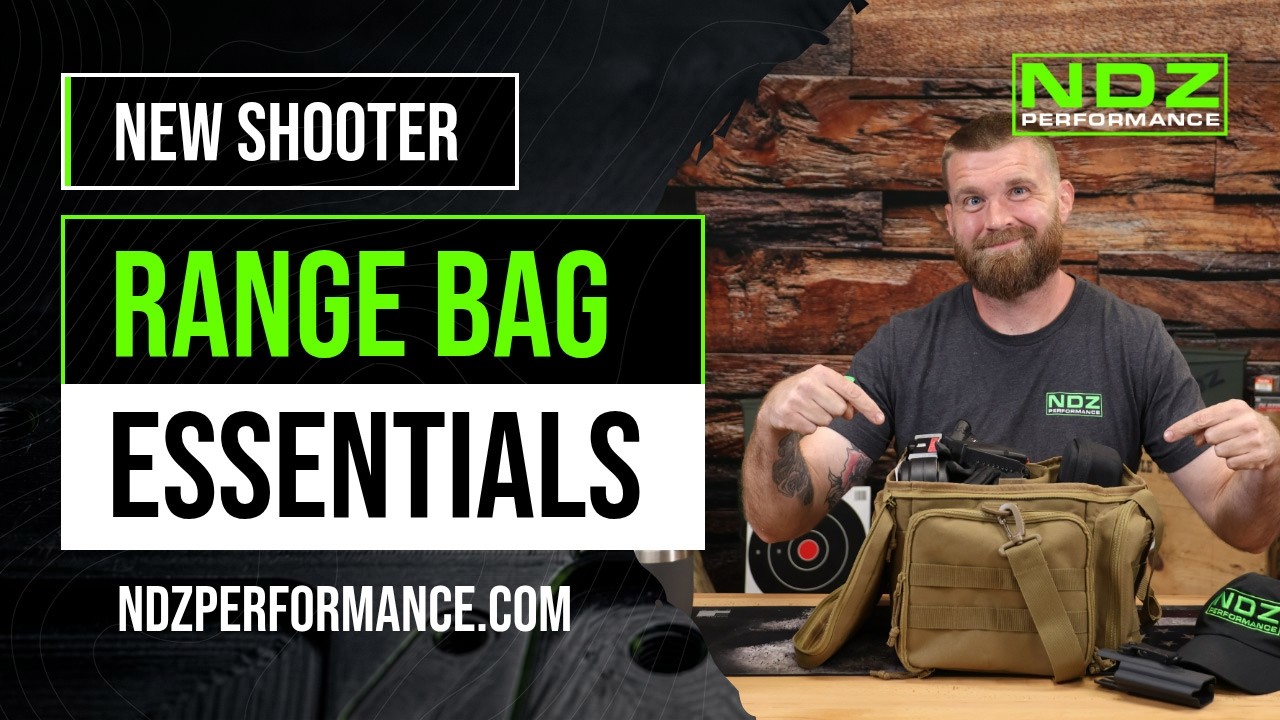
Watch: Range Bag Essentials — What a New Gun Owner Actually Needs
Range bag checklist
Everything below earns its spot on day one. Nothing else has to.
- Eye protection — every range enforces it, and there is no version of this trip where you skip it. Buy a pair that fits over your regular glasses if you wear them.
- Ear protection you will actually keep on — the best ear pro is the pair you do not pull off between strings. Comfort beats the spec sheet here.
- Simple paper targets — most ranges sell them and they are cheap. When you are learning, feedback beats novelty.
- A magazine loader — sore thumbs end range sessions early. This is the cheapest fix for it, and it is the item new shooters most often wish they had brought.
- A basic first aid kit — most range injuries are the boring kind: small cuts, scrapes, hot brass burns. Carry a tourniquet if you own one, but only carry medical gear you have actually trained on.
- Hat, water, and snacks — comfort is not a luxury item. Brass falls, sessions run long, focus fades.
What you can skip
The gear that can wait is longer than the list above, and leaving it home is not a compromise. It is the point.
- Fancy targets — reactive and novelty targets are fun, but they tell you less about your shooting than a plain bullseye does.
- Complicated drills — build the habits first. Safe handling, a consistent grip, and a clean trigger press are worth more than any drill you saw online this week.
- Medical gear you have not trained on — a tourniquet you cannot apply under stress is weight, not preparedness. Take the class, then carry it.
- Upgrade parts, before you have rounds behind you — you cannot tell what your pistol needs until you know what you do. Shoot it stock for a while.
One more thing that belongs on this list: the expectation that the first trip goes perfectly. It will not, and that is normal. Nobody walks in shooting well, and today is not about proving anything.
Frequently asked questions
What are the must-haves for a range day?
Eye protection, ear protection, your firearm and ammunition, a couple of simple paper targets, and something to carry it all in. A magazine loader and a small first aid kit round it out. Everything past that is preference, not requirement.
Is a range bag worth it?
Yes, mostly because of what it prevents. A dedicated bag means your eye and ear protection live in one place and travel with the gun, so you never arrive without them. The bag itself matters far less than the habit of keeping it packed.
Can I use a regular backpack as a range bag?
You can, and plenty of people do. A purpose-built range bag adds padded compartments and a wider opening that makes gear easier to find on a crowded bench, but a backpack you already own will get you through your first several trips without any trouble.
What do you need to bring your own gun to a gun range?
Typically a valid photo ID, your firearm cased or bagged, and your own ammunition, though many indoor ranges require you to buy ammo on site. Rules vary by range and by state, so check the range’s website before you drive out — it is a two-minute call that saves a wasted trip.
Chapters
Each chapter below opens the video at that moment.
- 0:00 — Introduction to New Gun Ownership
- 0:41 — Essential Gear for the Range
- 2:15 — The Importance of a Magazine Loader
- 2:26 — Must-Have Accessories: Hat, Water, and Snacks
- 3:38 — What You Don’t Need as a New Shooter
Build out the rest of your setup
Once you have the basics handled, upgrades are where the fun starts. Browse NDZ Performance for custom Glock parts, magazine plates, and firearm accessories machined in-house.
Subscribe on YouTube for more range guides and build breakdowns.