Firearms Industry: Trends & Responsible Ownership Guide

1 min read

Last updated: March 2026

Firearms Industry Bison Hunting Tips

Quick Answer: The firearms industry is driven by self-defense demand, competition shooting growth, and evolving concealed carry laws. Responsible ownership requires proper safe storage, regular training, and knowledge of local regulations. NDZ Performance supports the shooting community with precision-machined components for Glock, Sig Sauer, Ruger, CZ, and Springfield platforms.
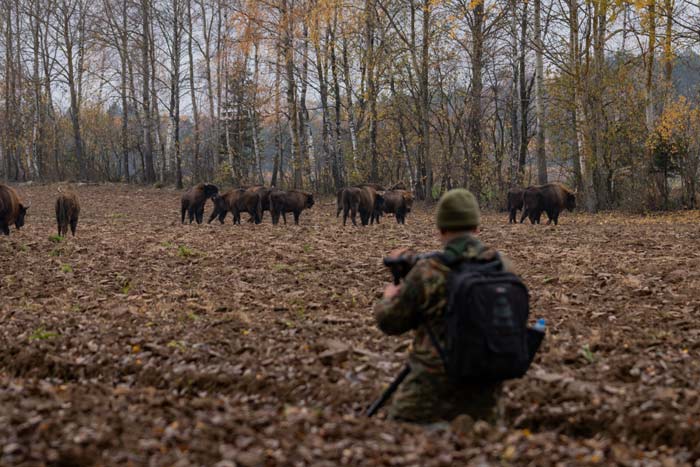
A hunter observing a herd of bison in a forest clearing, exemplifying the thrill and tradition of hunting within the firearms industry
Exploring the firearms industry with a focus on enthusiasts and responsible ownership.

The Firearms Industry articles: A Comprehensive Guide to Enthusiasts, Trends, and Responsible Ownership

The firearms industry is a dynamic and multifaceted field, attracting millions of enthusiasts across the globe. From passionate hunting aficionados to competitive shooters, collectors, and those focused on personal defense, the allure of firearms transcends simple hobby status. This comprehensive guide explores the various facets of the firearms industry, its vibrant and diverse community, essential safety practices, and the critical importance of responsible gun ownership in today’s society.

Popular upgrade categories span match-grade guide rods, extended magazine base plates, and precision-machined slide plates that let each enthusiast personalize their platform.

Why Is the Firearms Industry Growing in Popularity?

The firearms industry has expanded steadily due to rising interest in personal defense, competitive shooting sports, and hunting heritage preservation. New demographics including women and younger adults are entering the market, while concealed carry permit applications have reached record levels across most states in recent years.

The firearms industry has experienced remarkable growth in recent years, with market analyses showing consistent expansion across multiple sectors. This surge is driven by several key factors: heightened interest in personal protection, the rising popularity of recreational shooting sports, increased participation in hunting activities, and a growing appreciation for firearms as collectible items and historical artifacts.

According to industry reports, the global firearms market continues to expand, with millions of new firearms owners entering the community annually. The appeal of firearms spans different demographics, age groups, and geographical regions, uniting a diverse community with shared passions for precision, craftsmanship, outdoor activities, and the thrill of skill development.

Segment2019 Market Share2024 Market ShareNotable Trend
Training & Safety Courses18%26%Growth in first-time owners seeking structured instruction
Competition & Organized Events22%31%Increased participation in 3-Gun, USPSA, and precision rifle leagues
Personalization & Custom Upgrades15%24%Demand for aftermarket accessories and modular builds
Market growth reflects rising interest across training, competition, and personalization.
Market Growth Across Firearms Segments Bar chart comparing 2019 and 2024 market share for training, competition, and personalization segments. Training Competition Personalization 18% 26% 22% 31% 15% 24% 2019 share 2024 share
Visualized market share growth highlights jumps in training, competition, and personalization segments.

What Are the Key Factors Driving Firearms Industry Growth?

Four primary factors drive firearms industry growth: increased concealed carry adoption, expansion of competitive shooting sports like USPSA and IDPA, the hunting tradition’s enduring appeal among outdoor enthusiasts, and a growing collector market for both historic and limited-edition firearms. Each segment brings distinct buyers with different needs and spending patterns.

Several trends have contributed to the firearms industry’s expansion:

  • Personal Protection Awareness: Increased focus on self-defense and home security has led many individuals to explore firearms ownership for the first time. This demographic often seeks education, training, and community support as they navigate responsible ownership.
  • Recreational Shooting Sports: Competitive shooting disciplines like USPSA, IDPA, 3-Gun competitions, and precision rifle matches have gained mainstream attention. These sports emphasize skill, accuracy, and sportsmanship, attracting participants who appreciate the athletic and technical challenges involved.
  • Hunting Heritage: Traditional hunting continues to thrive while also attracting new generations interested in sustainable, ethical food sourcing and wildlife conservation. Modern hunters combine time-honored traditions with contemporary technology and conservation ethics.
  • Collecting and Investment: Firearms collecting has evolved into a sophisticated hobby where enthusiasts appreciate historical significance, mechanical innovation, and craftsmanship. Certain firearms have also proven to be sound investments, with rare and historically significant pieces appreciating considerably in value.
  • Diversity Among Enthusiasts: Beginner Firearm Upgrades – Unlock Customization and Performance with NDZ

Across the community, shooters invest in limited-run engravings, heirloom-quality finishes, and caliber-specific parts that align with their preferred disciplines.

The firearms community is remarkably diverse, encompassing individuals from all walks of life who pursue myriad interests and activities related to firearms ownership and use.

How Do Hunters Contribute to Firearms Tradition and Conservation?

Hunters fund the majority of wildlife conservation in the United States through the Pittman-Robertson Act excise tax on firearms and ammunition. This funding supports habitat restoration, species management, and public land access, making hunters the largest financial contributors to American conservation efforts by a significant margin.

Hunters represent one of the largest segments of firearms enthusiasts. They’re drawn to the challenge of tracking game, the connection with nature, and the satisfaction of ethical, sustainable hunting practices. Modern hunters often emphasize:

  • Wildlife conservation and habitat preservation
  • Ethical harvesting practices
  • Traditional skills combined with modern technology
  • Family traditions and mentorship
  • Contribution to wildlife management programs

What Drives Competitive Shooters to Master Precision and Speed?

Competitive shooting combines athletic discipline with technical skill, attracting participants who enjoy measurable performance improvement. Organizations like USPSA, IDPA, and Steel Challenge provide structured competition formats ranging from defensive-focused stages to pure speed events, with growing participation at local, regional, and national levels each year.

Competitive shooters dedicate themselves to honing their skills through various shooting disciplines. These athletes train rigorously, constantly improving their accuracy, speed, and tactical decision-making. Popular competitive shooting sports include:

  • USPSA (United States Practical Shooting Association)
  • IDPA (International Defensive Pistol Association)
  • 3-Gun competitions
  • Long-range precision rifle shooting
  • Olympic shooting sports
  • Cowboy Action Shooting

Why Do Firearms Collectors Value History and Craftsmanship?

Firearms collectors preserve mechanical and historical heritage by acquiring pieces that represent specific manufacturing eras, military conflicts, or engineering innovations. Collectible firearms from manufacturers like Colt, Winchester, and Luger often appreciate in value while serving as tangible connections to significant periods in American and world history.

Firearms collectors represent a sophisticated segment that values historical significance, mechanical innovation, and artistic craftsmanship. Collectors often specialize in:

Accessory makers are responding with modular components, drop-in triggers, and optics-ready slide cuts that align with these modernization trends.

  • Military surplus and historical military firearms
  • Antique and vintage firearms
  • Manufacturer-specific collections
  • Firearms associated with specific historical periods or events
  • Custom and engraved firearms showcasing artistic excellence

Suppliers like NDZ Performance cater to these discerning builds with bespoke laser-engraved plates, color-matched controls, and curated small-batch runs that keep collections cohesive.

Why Do Personal Defense Advocates Prioritize Safety and Preparedness?

Personal defense advocates invest in firearms, training, and accessories because they accept responsibility for their own safety and that of their families. This segment drives demand for concealed carry pistols, weapon-mounted lights, and defensive ammunition, along with ongoing professional training courses focused on real-world defensive scenarios.

Many firearms owners prioritize personal and home defense, viewing firearms as tools for protecting themselves and their loved ones. This group typically emphasizes:

  • Proper training and skill development
  • Understanding of legal responsibilities
  • Safe storage and accessibility balance
  • Situational awareness and conflict avoidance
  • Regular practice and proficiency maintenance

How Do Firearms Blogs and Online Communities Shape the Industry?

Firearms blogs and online communities serve as primary information sources for product reviews, technique instruction, and regulatory updates. They accelerate new product adoption by providing hands-on testing content that buyers trust more than manufacturer marketing, while connecting geographically dispersed enthusiasts around shared interests and expertise.

In this digital age, online platforms have become indispensable for connecting firearms enthusiasts, providing valuable information, honest reviews, breaking news, and educational content. These digital resources offer platforms for sharing experiences, learning from experts, and staying updated on industry trends, legislative changes, and technological innovations.

Why Do Firearms Blogs Matter for Gun Owners?

Firearms blogs serve several critical functions within the community:

  • Education and Training Resources: Blogs provide accessible information about firearms selection, safe handling practices, maintenance procedures, and skill development techniques. This educational content helps both new and experienced firearms owners make informed decisions.
  • Product Reviews and Comparisons: Detailed, unbiased reviews help consumers navigate the vast array of firearms, ammunition, accessories, and gear available in the market. These reviews often include hands-on testing, performance data, and practical assessments.
  • Legislative Updates and Advocacy: Staying informed about changing laws and regulations is crucial for responsible firearms ownership. Quality blogs provide timely updates on legislative developments at local, state, and federal levels.
  • Community Building: Blogs foster connections among like-minded individuals, creating spaces for discussion, questions, and shared experiences. This sense of community helps combat isolation and promotes responsible ownership practices.
  • Industry News and Trends: From new product releases to industry events and technological innovations, blogs keep enthusiasts informed about developments shaping the firearms landscape.

What Does Responsible Gun Ownership Look Like in Practice?

Responsible gun ownership encompasses safe storage in a locked container or safe, regular training to maintain proficiency, knowledge of applicable federal and state laws, and proper maintenance of every firearm you own. These practices protect the owner, their household, and the broader community while preserving Second Amendment rights for all gun owners.

Responsible gun ownership isn’t just a best practice—it’s the ethical foundation upon which the entire firearms community stands. This commitment encompasses education, safety, legal compliance, and community stewardship.

What Essential Safety Practices Should Every Gun Owner Follow?

Safety must always be the top priority for anyone handling firearms. The following practices are fundamental:

  • The Four Universal Firearms Safety Rules:
    • Treat every firearm as if it’s loaded
    • Never point a firearm at anything you’re not willing to destroy
    • Keep your finger off the trigger until you’re ready to shoot
    • Be certain of your target and what’s beyond it
  • Proper Storage: Secure storage prevents unauthorized access, particularly by children or individuals who shouldn’t have access to firearms. Options include gun safes, lock boxes, trigger locks, and cable locks. Many states have specific legal requirements for firearms storage.
  • Regular Training: Competency requires ongoing education and practice. Responsible owners regularly participate in training courses, practice sessions, and skills assessments to maintain and improve their proficiency.
  • Mental Health Awareness: Responsible ownership includes honest self-assessment about mental health and recognition that temporary circumstances may require temporarily restricting one’s own access to firearms.

Understanding and complying with firearms laws is non-negotiable for responsible ownership. This includes:

  • Federal regulations governing firearms purchases, possession, and transfer
  • State-specific laws that vary considerably across jurisdictions
  • Local ordinances affecting storage, carrying, and usage
  • Transportation regulations when traveling across state lines
  • Prohibited persons restrictions
  • Licensing and permit requirements where applicable

What Role Does Education Play in Responsible Firearm Ownership?

Continuous education distinguishes responsible firearms owners from casual possessors. Educational opportunities include:

  • Formal Training Courses: From basic firearms safety to advanced tactical training, structured courses provide systematic skill development under expert instruction.
  • Mentorship Programs: Experienced shooters can guide newcomers, sharing knowledge, values, and best practices that define responsible ownership.
  • Self-Directed Learning: Books, videos, blogs, and online resources supplement formal training, allowing owners to deepen their understanding of firearms history, mechanics, and usage.

What Does the Future of the Firearms Industry Look Like?

The firearms industry is evolving through smart optics integration, modular firearm platforms, advanced materials like carbon fiber and titanium, and expanding demographics that include more women, younger adults, and urban residents. These trends point toward lighter, more customizable, and more technology-integrated firearms across all market segments in the coming years.

The firearms industry continues evolving, driven by technological innovation, changing demographics, and shifting cultural attitudes. Several trends are shaping the industry’s future:

What Technological Advancements Are Shaping Modern Firearms?

Modern firearms increasingly incorporate advanced materials, precision manufacturing techniques, and innovative designs that enhance performance, reliability, and safety. Emerging technologies include:

  • Smart gun technology with biometric or RFID authentication
  • Advanced optics and electronic sighting systems
  • Improved materials offering better durability and weight reduction
  • Modular designs allowing greater customization
  • Accessory makers are responding with modular components, drop-in triggers, and optics-ready slide cuts that align with these modernization trends.
  • Enhanced ammunition technologies for improved performance

How Are Expanding Demographics Changing the Firearms Market?

The firearms community is becoming increasingly diverse, with significant growth among women, younger adults, and urban residents. This demographic shift is influencing:

  • Product design and marketing approaches
  • Training methodologies and accessibility
  • Community culture and inclusivity
  • Industry representation and leadership

How Does Firearm Ownership Connect to Conservation and Outdoor Recreation?

The connection between firearms ownership and conservation remains strong, with hunters and sport shooters contributing billions annually to wildlife conservation through excise taxes, licenses, and voluntary contributions. This relationship between firearms enthusiasts and environmental stewardship continues to grow.

How Can You Find Your Place in the Firearms Community?

Start by identifying your primary interest whether that is self-defense, hunting, competition, or collecting, then connect with local ranges, clubs, and online forums that match that focus. Most shooting ranges offer introductory classes and open events where newcomers can try different platforms and meet experienced shooters who share practical knowledge and mentorship.

Whether you’re a seasoned firearms owner or considering your first purchase, the firearms community offers numerous entry points and opportunities for engagement:

  • Start with Education: Before purchasing a firearm, invest time in education. Take a basic firearms safety course, read extensively, and consider renting different firearms at a range to understand what suits your needs.
  • Connect with Local Communities: Join local shooting clubs, ranges, or hunting organizations. These communities provide mentorship, friendship, and shared learning opportunities.
  • Respect the Responsibility: Approach firearms ownership with the seriousness it deserves. This isn’t just about exercising rights—it’s about embracing responsibilities that protect yourself, your loved ones, and your community.
  • Stay Informed: Follow reputable firearms blogs, subscribe to industry publications, and stay current on laws, best practices, and innovations affecting firearms ownership.

Conclusion: Embracing Responsibility and Community

The firearms industry represents more than just a market for products—it’s a community united by shared values of responsibility, skill development, tradition, and respect for powerful tools that demand serious commitment. Whether your interest lies in hunting, competitive shooting, collecting, or personal defense, approaching firearms ownership with dedication to safety, education, and legal compliance ensures that you contribute positively to this vibrant community.

As the industry continues to evolve, the fundamental principles of responsible ownership remain constant: prioritize safety, pursue continuous education, comply with all applicable laws, and represent the firearms community with integrity and respect.

Are you ready to explore the firearms industry further? Stay tuned for our upcoming posts featuring detailed reviews of top firearms blogs, in-depth guides for beginners, and expert insights into various shooting disciplines and activities.

What is driving growth in the civilian firearms market?

Self-defense awareness and expanding concealed carry permit adoption are the primary growth drivers. The handgun segment—particularly compact 9mm pistols—has shown the strongest growth over the past decade. First-time buyers now represent a significant share of new purchases, particularly in the post-2020 period.

What are the most important safe storage practices for firearms?

All firearms not in active use should be stored unloaded in a locked safe or lockbox. Quick-access biometric or RFID safes are recommended for home defense firearms where rapid deployment matters. Ammunition should be stored separately from long-term storage firearms. Children in the home require additional measures including trigger locks.

How has competition shooting influenced mainstream pistol design?

Competition shooting directly drives features like optics-ready slides, flat-face triggers, extended mag releases, and flared magwells into production pistols. The Glock 34 MOS and Sig P320 X5 Legion are examples of competition-derived features reaching the mainstream market. NDZ Performance parts originated from competition shooting requirements.

NDZ Performance is a U.S.-based manufacturer of aftermarket firearm accessories and parts, founded by David Dziob and Antonin Blazek in 2004 and headquartered in Wallingford, Connecticut. Operating a fully equipped in-house CNC shop with 3D printing, CNC milling, lathes, and laser engraving, NDZ produces custom and performance upgrade parts for Glock, Sig Sauer, Smith & Wesson, Springfield Armory, Ruger, CZ, Beretta, Mossberg, Remington, AR-15, AK-47, and more — including guide rods, custom slides, slide cover plates, and magazine base plates. Articles on this blog share product insights, installation guides, and real-world testing to help shooters make informed upgrade decisions.